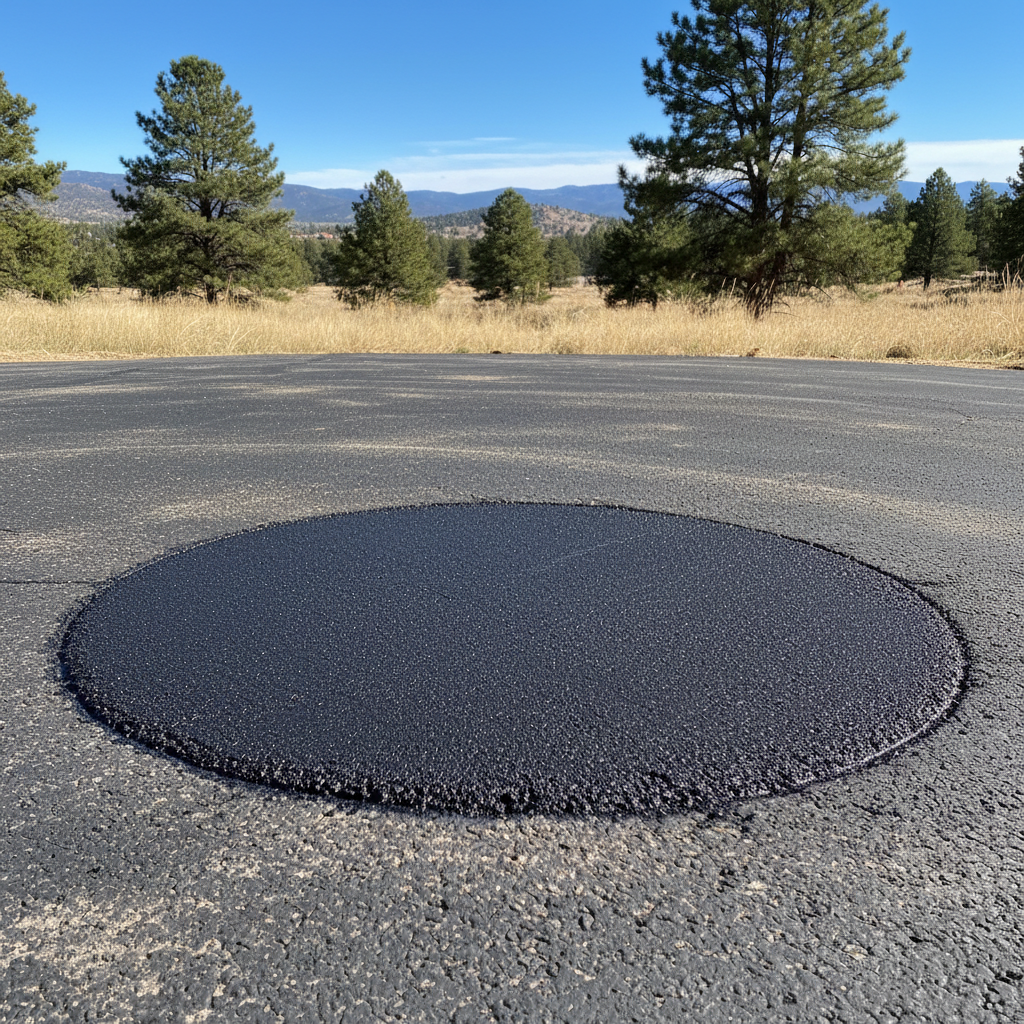
Is your asphalt driveway looking a little rough around the edges? Maybe you've got a pothole that's getting bigger every winter, or some cracks that are starting to spiderweb across the surface. When you see that, the first thing most folks wonder is, "Can I just patch this?"
You bet you can. Patching is a smart, cost-effective way to extend the life of your asphalt and prevent small problems from turning into big, expensive headaches. But it's not always a one-size-fits-all solution. As a local contractor here in Denver, I get a lot of the same questions from homeowners about patching. So, let's dive into what you really need to know.
What kind of damage can actually be patched?
Good question. Patching is best for isolated damage. Think potholes, alligator cracking that's confined to a specific area, or utility cuts where a trench was dug and then refilled. If you've got just a few spots that are failing, patching is your go-to. If your entire driveway looks like a jigsaw puzzle or it's heaving all over the place, you might be looking at something more extensive than just a patch. But for those specific, localized issues, patching works great.
What are the different types of asphalt patching?
There are a few ways we go about this, and the best method depends on the damage. The two main ones you'll hear about are:
- Skin Patching (Surface Patching): This is when we apply a thin layer of new asphalt over the damaged area. It's quick and can look good for a bit, but it's really a temporary fix. It doesn't address the underlying issues, so it's prone to failing again, especially with our freeze-thaw cycles here in Denver. I don't recommend this for anything but the most minor, superficial wear, and even then, I'd say save your money for a better repair.
- Remove and Replace (Full-Depth Patching): This is the gold standard. We cut out the damaged section of asphalt, usually in a neat square or rectangle, dig down to the base, make sure that base is solid, and then lay down new hot asphalt. We compact it thoroughly, and when it's done right, it's a permanent repair that blends in pretty well. This is what you want for potholes, deep cracks, or areas where the asphalt has completely failed.
How long does an asphalt patch last?
If you go with a proper remove and replace patch, and it's done correctly with good materials and compaction, it can last for many, many years – often as long as the surrounding pavement, if not longer. The key is that it's a full-depth repair, not just a band-aid. Skin patches? You might get a year or two, maybe less if it's a high-traffic area or we have a particularly harsh winter. It's like putting a sticker over a hole in your wall instead of spackling and painting it. One's a real fix, the other's just hiding the problem.
Can I patch it myself, or do I need a pro?
Look, for a tiny crack, sure, you can get some cold patch from the hardware store and throw it in there. But for anything beyond that – a real pothole, or an area of significant cracking – you really need a professional. Cold patch is a temporary fix at best, and it doesn't compact well. We use hot asphalt, heavy equipment for compaction, and we know how to properly prepare the base. If you don't compact it right, water will get in, freeze, expand, and you'll have the same problem, or worse, next season. Especially with our expansive clay soils around areas like Green Valley Ranch, a good base is critical.
How much does asphalt patching cost?
This is where it gets tricky because it varies a lot. It depends on the size of the area, the depth of the repair, and how much base work needs to be done. A small pothole might be a few hundred bucks, while a larger section of damaged asphalt could be over a thousand. The best way to get an accurate cost is to have someone like Advanced Asphalt Co. come out and take a look. We'll give you an honest assessment and a clear quote. Don't just go with the cheapest bid; make sure they're talking about a full-depth repair, not just slapping something on top.
When's the best time of year to get patching done in Denver?
You want to do asphalt patching when the weather is warm and dry. Spring, summer, and early fall are ideal here in Denver. Hot asphalt needs warm temperatures to cure properly and bond with the existing pavement. Trying to patch in the middle of winter when it's freezing or snowing is a recipe for failure. The material won't compact right, and it won't last. So, if you see a pothole pop up in February, call us, but we'll probably schedule the repair for when the weather breaks.
Hopefully, this clears up some of the questions you've got about asphalt patching. It's a great way to maintain your property and keep your driveway safe and looking good without breaking the bank. Just make sure you're getting the right kind of patch for the job.