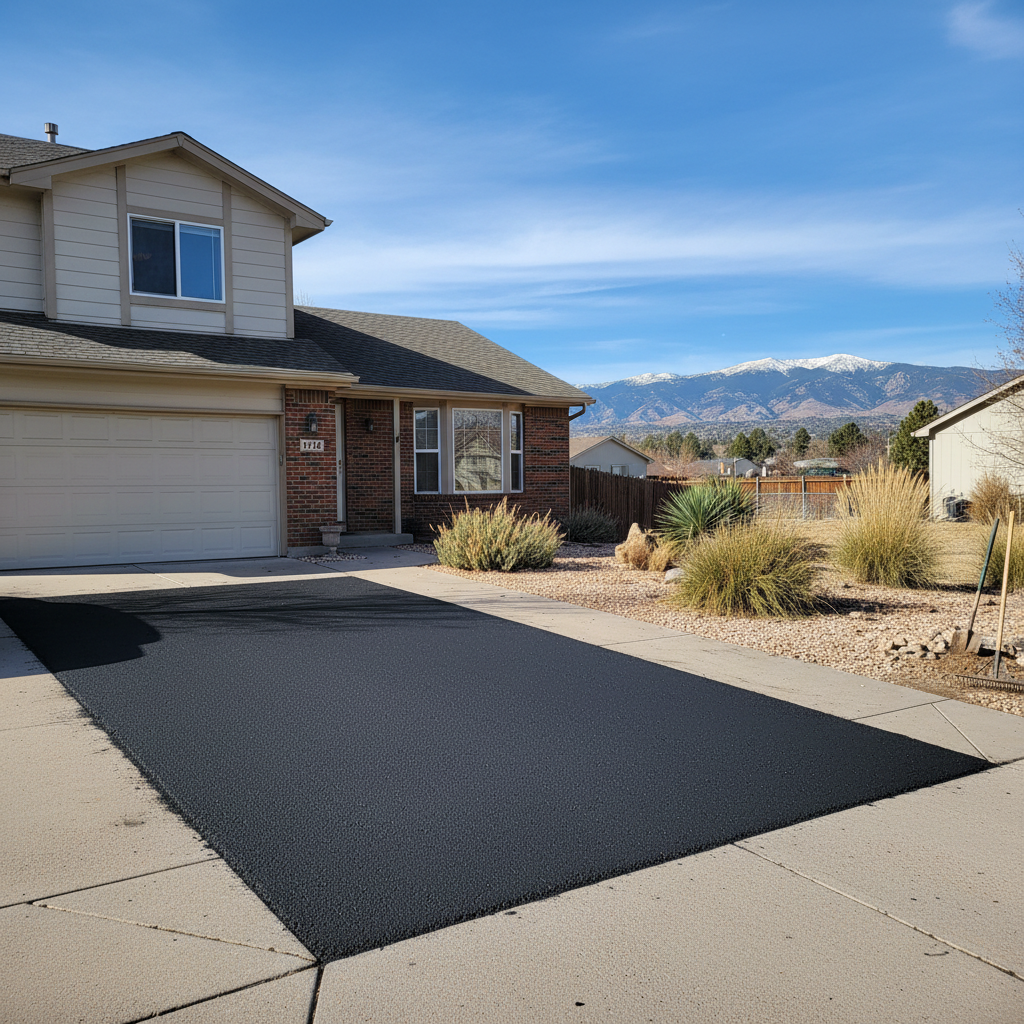
Is that pothole in your driveway or parking lot starting to look like a small crater? You're probably wondering what it's going to cost to get it patched up. Nobody likes unexpected expenses, especially when it comes to property maintenance. As a local contractor, I see a lot of folks get sticker shock or, worse, get ripped off because they don't know the real deal.
Let's talk about asphalt patching costs right here in Denver. I'm going to lay out what actually drives the price, what you should expect in a quote, and how to make sure you're not overpaying for a good job.
What Really Affects Asphalt Patching Prices?
It's not just about the size of the hole. There are a few key things that contractors look at when they're putting together a bid. Understanding these helps you understand the price.
- Patching Method: Are we talking about a simple surface patch, or a more involved cut-and-replace? A surface patch (often called a skin patch) is cheaper because it's just laying a thin layer of asphalt over the problem. But it's usually a temporary fix. A full-depth patch means cutting out the bad asphalt, digging down to the base, and rebuilding it. That's a much more durable repair, but it takes more time, labor, and material. You'll pay more for quality that lasts.
- Size and Depth of the Repair: This one's obvious, right? A bigger, deeper patch uses more material and takes more time. If you've got a small pothole, it's one thing. If you've got a section of your parking lot that's completely failed, that's a different ballgame.
- Accessibility: Can we easily get our equipment to the spot? If it's a tight alleyway in a historic Five Points neighborhood or a tricky spot behind a building, that adds to the labor time. If we can just drive right up, it's quicker and cheaper for you.
- Material Costs: Asphalt prices fluctuate. They're tied to oil prices, so they can go up and down. Also, the type of asphalt mix matters. Some mixes are better suited for our freeze-thaw cycles here in Denver, and those might cost a bit more.
- Site Preparation: Sometimes, the area needs more than just a quick sweep. We might need to remove debris, address drainage issues, or even stabilize the sub-base if it's really gone bad. That extra work costs extra money.
- Minimum Job Charges: Most reputable contractors, including us at Advanced Asphalt Co, have a minimum charge for any job. It covers the cost of mobilizing equipment, travel time, and administrative overhead. Even for a tiny patch, you'll likely hit this minimum.
Typical Patching Cost Ranges in Denver
Okay, let's get to some actual numbers. Remember, these are ranges, and your specific situation might be higher or lower. This isn't a quote, just a guide.
For smaller, individual patches (say, 10-50 square feet), you're typically looking at:
- Surface Patching (Skin Patch): If it's just a quick fix to cover some cracks or a shallow depression, you might pay anywhere from $3.50 to $6.00 per square foot. But honestly, for anything under about 100 sq ft, you're almost always hitting a minimum charge. So, for a tiny 10 sq ft patch, you're probably still looking at a minimum of $400-$600 just to get us out there. Don't expect to pay $35 for a 10 sq ft patch.
- Full-Depth Cut and Replace Patch: This is the proper way to do it. For a patch of this size, expect to pay between $8.00 and $15.00 per square foot. Again, for smaller jobs, the minimum charge will often apply. So, a 20 sq ft full-depth patch could still easily run you $600-$1,000 due to that minimum.
For larger patching projects (over 100 square feet, like a section of a parking lot or a long, wide trench repair), the per-square-foot cost usually comes down a bit because the mobilization costs are spread over a larger area:
- Full-Depth Cut and Replace (larger areas): You might see prices in the range of $7.00 to $12.00 per square foot. So, a 200 sq ft section could be anywhere from $1,400 to $2,400.
These numbers include labor, materials, equipment, and proper disposal of old asphalt. They don't include things like extensive sub-base repair or drainage improvements, which would be quoted separately.
What Should a Good Quote Include?
When you get a quote from a contractor, it shouldn't just be a single number. A good, clear quote will break things down so you know exactly what you're paying for. Here's what I always make sure to include:
- Detailed Scope of Work: It should clearly state what type of patching method will be used (e.g., "full-depth saw cut and remove" or "surface patch with tack coat"). It should also specify the dimensions of the area to be patched.
- Materials Used: What kind of asphalt mix? Will they use a tack coat to help the new asphalt bond?
- Preparation Steps: Will they clean the area? Compact the sub-base?
- Compaction Method: How will they compact the new asphalt? A vibratory roller is key for durability.
- Cleanup and Disposal: Make sure they're taking away the old asphalt and leaving your site clean.
- Warranty Information: A reputable contractor will stand behind their work. Ask about it.
- Total Cost: Obviously, the final price.
- Payment Terms: When is payment due? Is a deposit required?
How to Avoid Overpaying for Asphalt Patching
Nobody wants to pay more than they have to, especially for something that's supposed to save you money in the long run. Here's my advice:
- Get Multiple Bids: This is probably the most important thing. Don't just go with the first guy who gives you a number. Get at least three detailed quotes. This helps you compare apples to apples and understand the market rate.
- Ask for Specifics: Like I said, a good quote is detailed. If a contractor just gives you a lump sum, push back. Ask them to break it down. If they can't or won't, that's a red flag.
- Understand the Method: Make sure you know if you're getting a temporary surface patch or a durable full-depth repair. A cheap quote for a surface patch isn't a good deal if you have to redo it in a year.
- Check References and Reviews: See what other people in Denver are saying about the contractor. Are they reliable? Do they do quality work?
- Don't Always Go for the Absolute Cheapest: The lowest bid isn't always the best value. Sometimes, a slightly higher price means better materials, more experienced crew, or a stronger warranty. You want a lasting repair, not just the cheapest one.
- Address Issues Early: Small cracks turn into big potholes, especially with our harsh winters. The sooner you patch a problem, the smaller and cheaper the repair will be. Procrastination costs you more.
Patching asphalt is a necessary part of maintaining your property. By understanding these factors and knowing what to look for, you can get a fair price for a quality job that lasts. If you've got questions about a specific area, don't hesitate to reach out to us at Advanced Asphalt Co. We're happy to take a look.